


Join our mailing list:

On.Security
Developing secure software is a challenge. Writing really secure software is a real challenge.
Here are the articles which touch different security aspects of software, from “what cipher suites are not to be used with TLS”, to certain more or less novel things under ‘Security Research’ subcategory
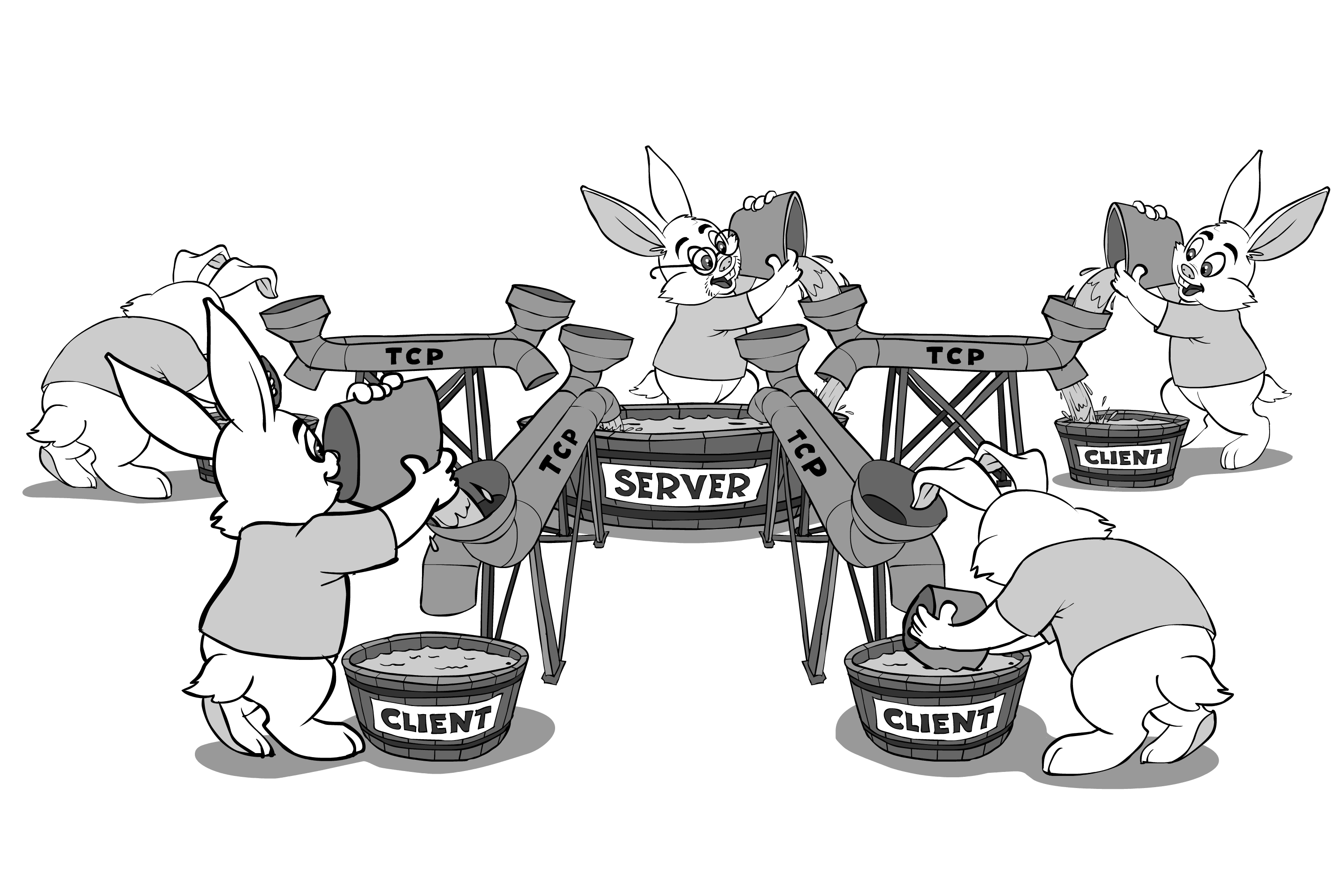
TCP and Websockets for Games
May 2, 2016 by • “No Bugs” Bunny
Quote:
TCP is a byte stream, the whole byte stream and nothing but the byte stream
Another Quote:
if all packets reach Client, there isn’t that much difference between TCP and UDP
Filed under: On.SecurityBest PracticesOn.ProgrammingNetwork Programming
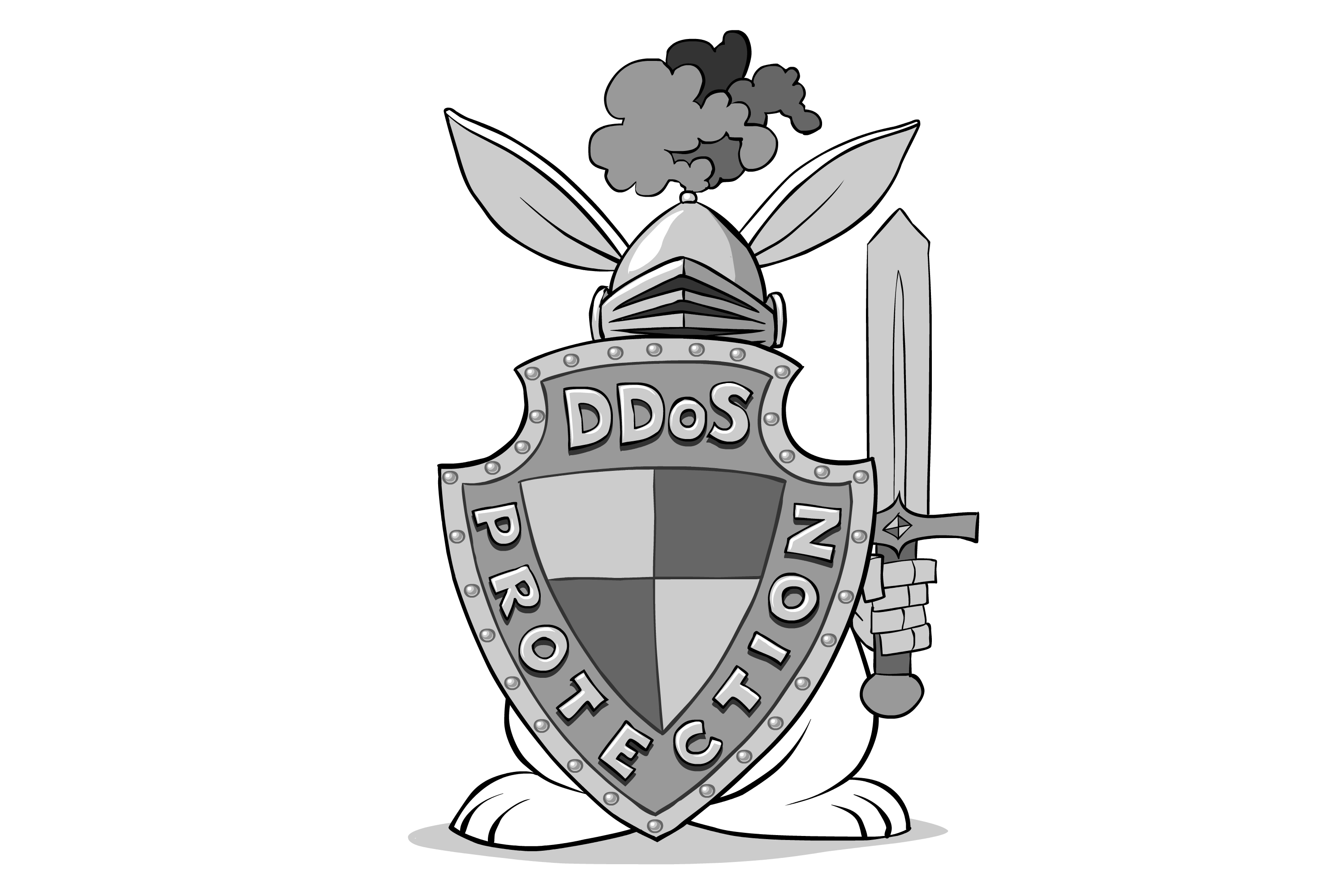
Read moreUDP for games – security (encryption and DDoS protection)
April 25, 2016 by • “No Bugs” Bunny
Quote:
Yes, you DO need to encrypt your UDP traffic. And no, using UDP is NOT a valid excuse to skip encryption
Another Quote:
Personally, I prefer to think of it as of insurance - when I'm paying my premiums in hope that my money will go to waste.
Filed under: On.SecurityBest PracticesOn.ProgrammingNetwork Programming
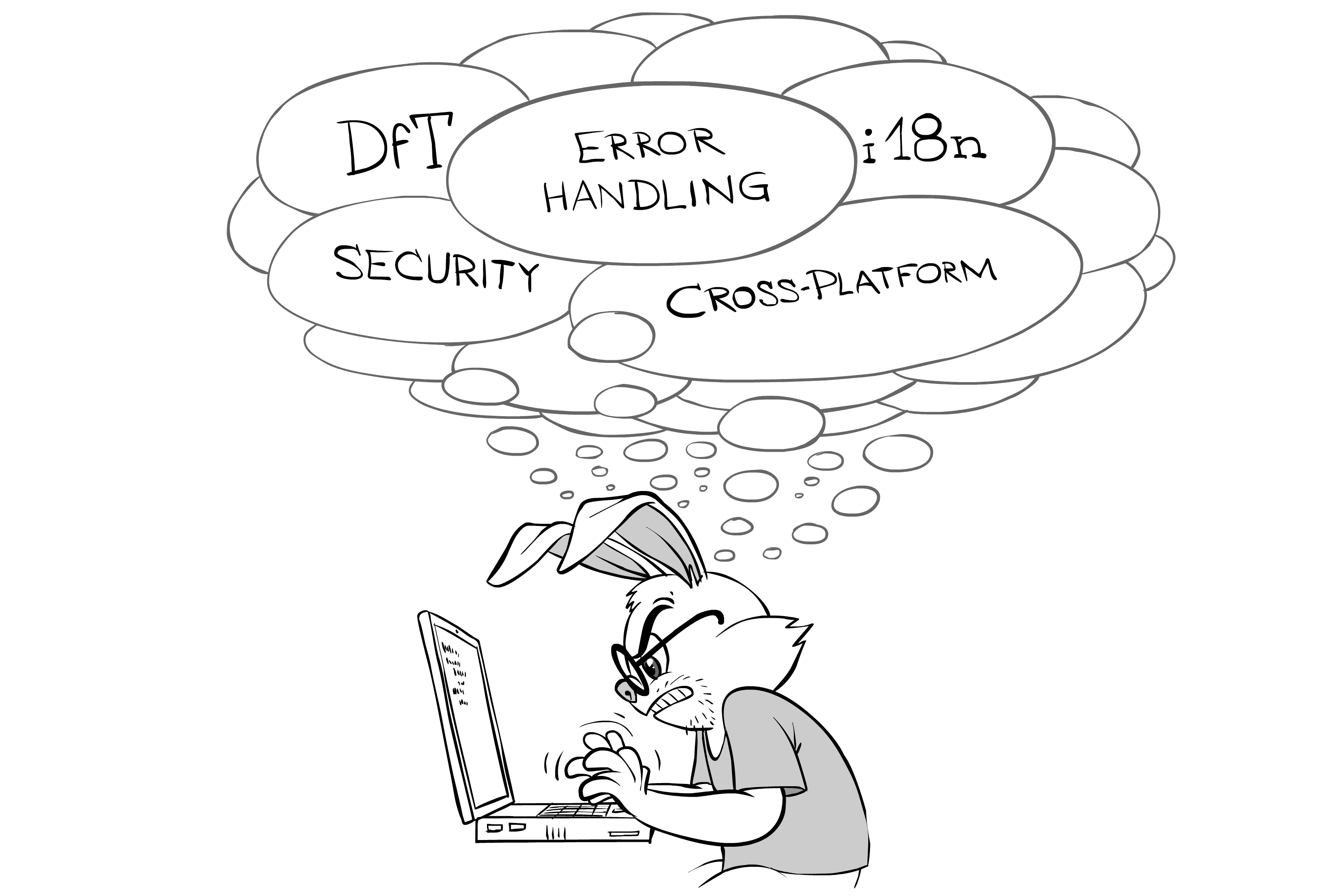
Read moreAvoiding ugly afterthoughts. Part b. Coding for Security, Coding for i18n, Testing as a Part of Development
April 4, 2016 by • “No Bugs” Bunny
Quote:
Doing sanitization at IDL level automates quite a bit of tedious-and-error-prone work, which is always a Good Thing™
Another Quote:
Hey, this whole thing can be made MUCH simpler, the only thing we need to acknowledge is that the best identifier for a string is the string itself!
Filed under: On.SecurityBest PracticesOn.ProgrammingDebugging
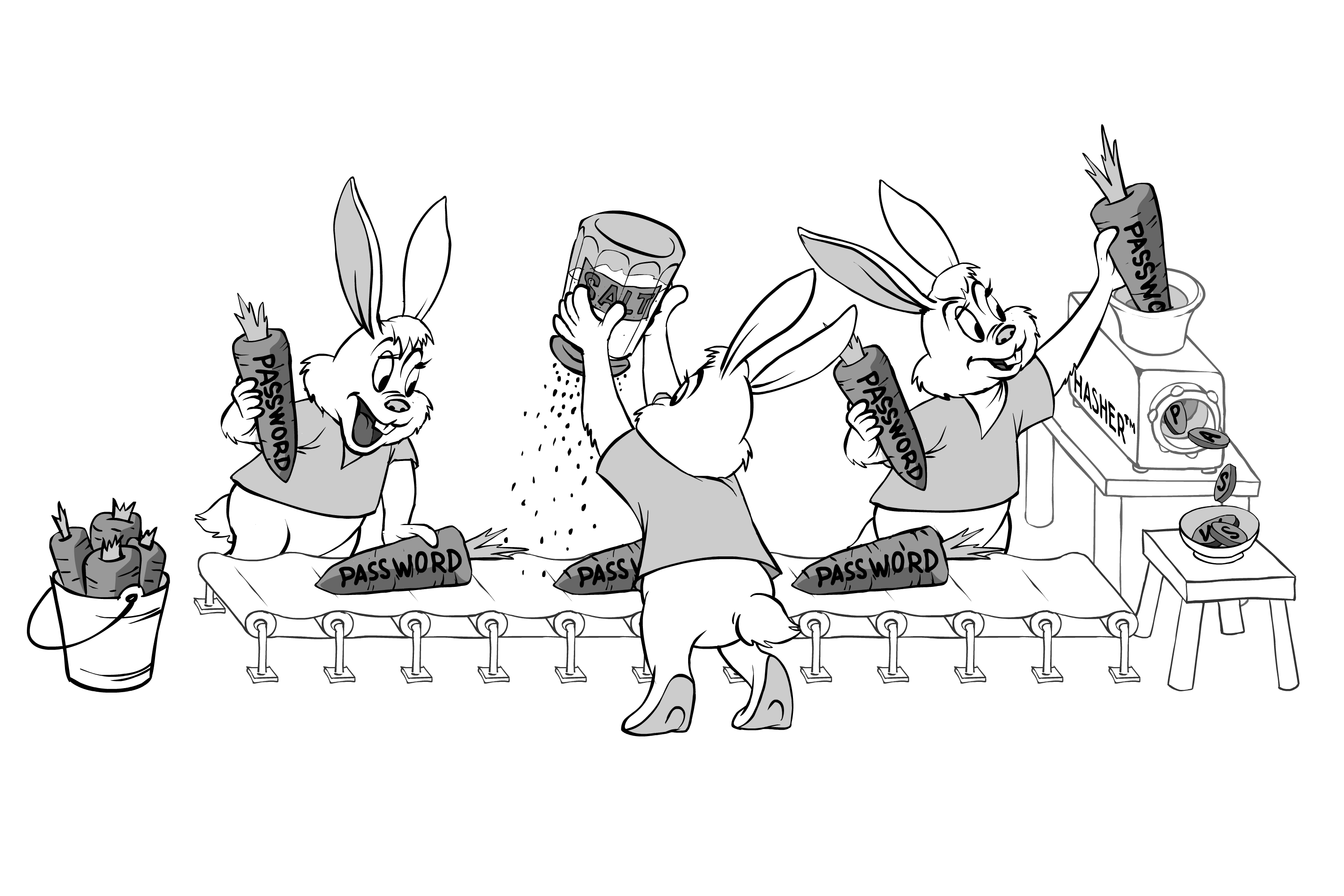
Read morePassword Hashing: Why and How
March 7, 2016 by • “No Bugs” Bunny
Abstract:
Password hashing is a Big Headache, and doing it right is complicated
Quote:
Note that none of the C++11 random number engines (LCG, Mersenne-Twister, or Lagged Fibonacci) can be considered good enough for cryptographic purposes – in short, they’re way too predictable and can be broken by a determined attacker, given enough output has leaked.
Filed under: On.SecurityBest Practices
Read more
Six Impossible Things Before Breakfast Ltd. © 2026. All rights reserved.

