
Category
Book: D&D of MOGs

On.System Architecture

On.Programming

On.Hardware

On.Security

On.Development

Other

IT Hare School

Much Ado About Hare

Join our mailing list:

Book: D&D of MOGs
Distributed Databases 101: CAP, BASE, and Replication
October 17, 2016 by • “No Bugs” Bunny

Quote:
The worst case of inconsistency happens when row X in database A is modified (by a Client connected to datacenter A), and the same row X in database B is independently modified too (by a Client connected to datacenter B).
Another Quote:
One way to avoid reports affecting operational DB, is via creating a read-only replica of our main operational DB – and running our reports off that replica.
Filed under: Book: D&D of MOGs1st beta of Vol. IV-VIOn.System ArchitectureDesign decisions
Read moreDatabases 101: ACID, MVCC vs Locks, Transaction Isolation Levels, and Concurrency
October 11, 2016 by • “No Bugs” Bunny

Quote:
for larger-scale MOGs, functionality-wise it is common to have 4 different types of databases: transactional processing (OLTP) DBs, real-time reporting DBs, archive DBs, and analytical DBs (OLAP)
Another Quote:
both MVCC-based and Lock-based DBMS issue locks (and therefore, both can cause all kinds of trouble such as deadlocks etc.); however, the difference lies with the number of locks issued by them.
Filed under: Book: D&D of MOGs1st beta of Vol. IV-VIOn.System ArchitectureDesign decisions
Read moreGame Graphics 101: Rendering Pipeline & Shaders
October 3, 2016 by • “No Bugs” Bunny
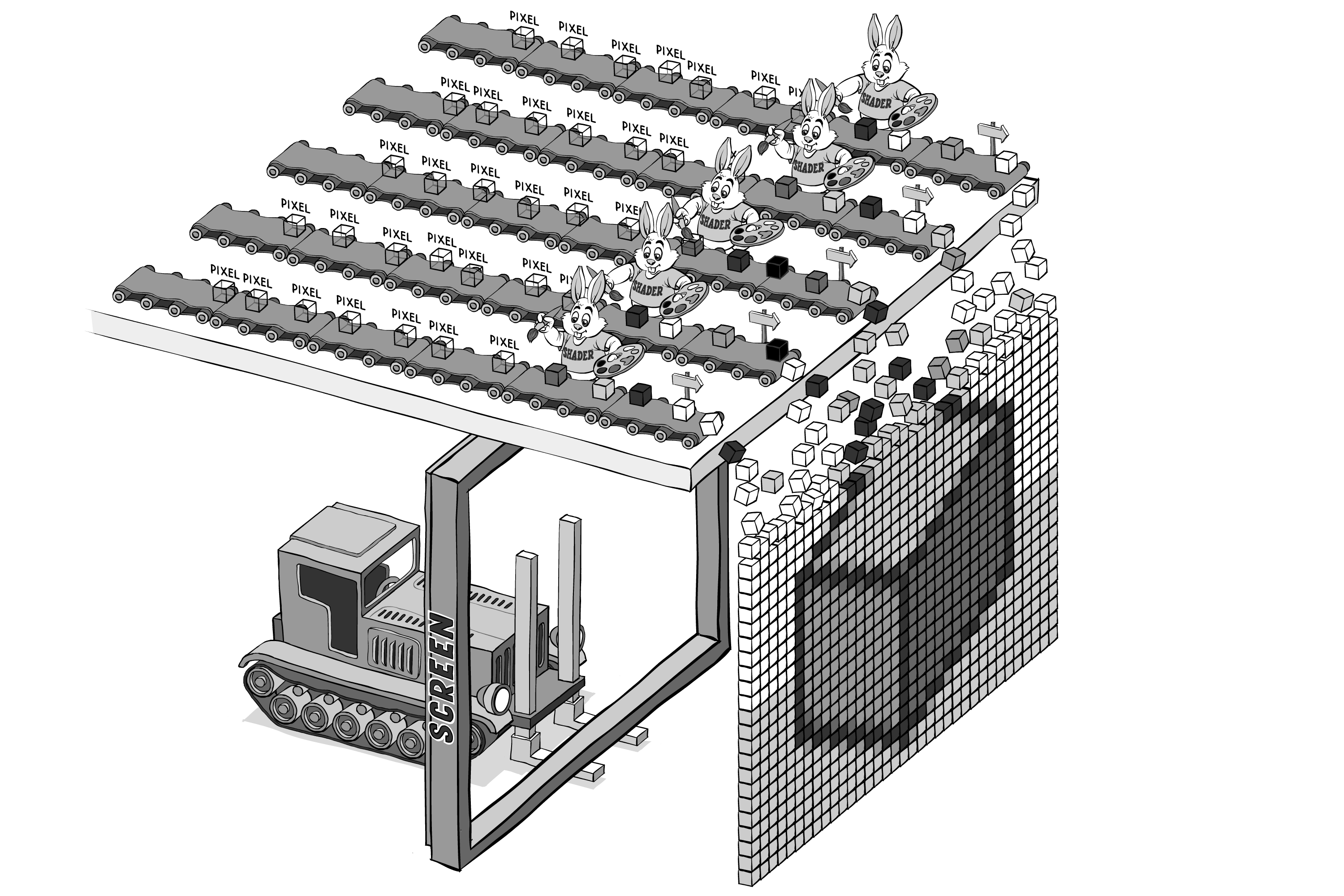
Quote:
each of the stages of the rendering pipeline is operating on a large set of items (vertices or fragments/pixels)
Another Quote:
These days, even if the program uses fixed-pipeline, that fixed-pipeline is simulated over shaders anyway ?
Filed under: Book: D&D of MOGs1st beta of Vol. IV-VIOn.ProgrammingTips and Tricks
Read moreGame Graphics 101: Lights!.. Camera!.. Frustum?
September 26, 2016 by • “No Bugs” Bunny
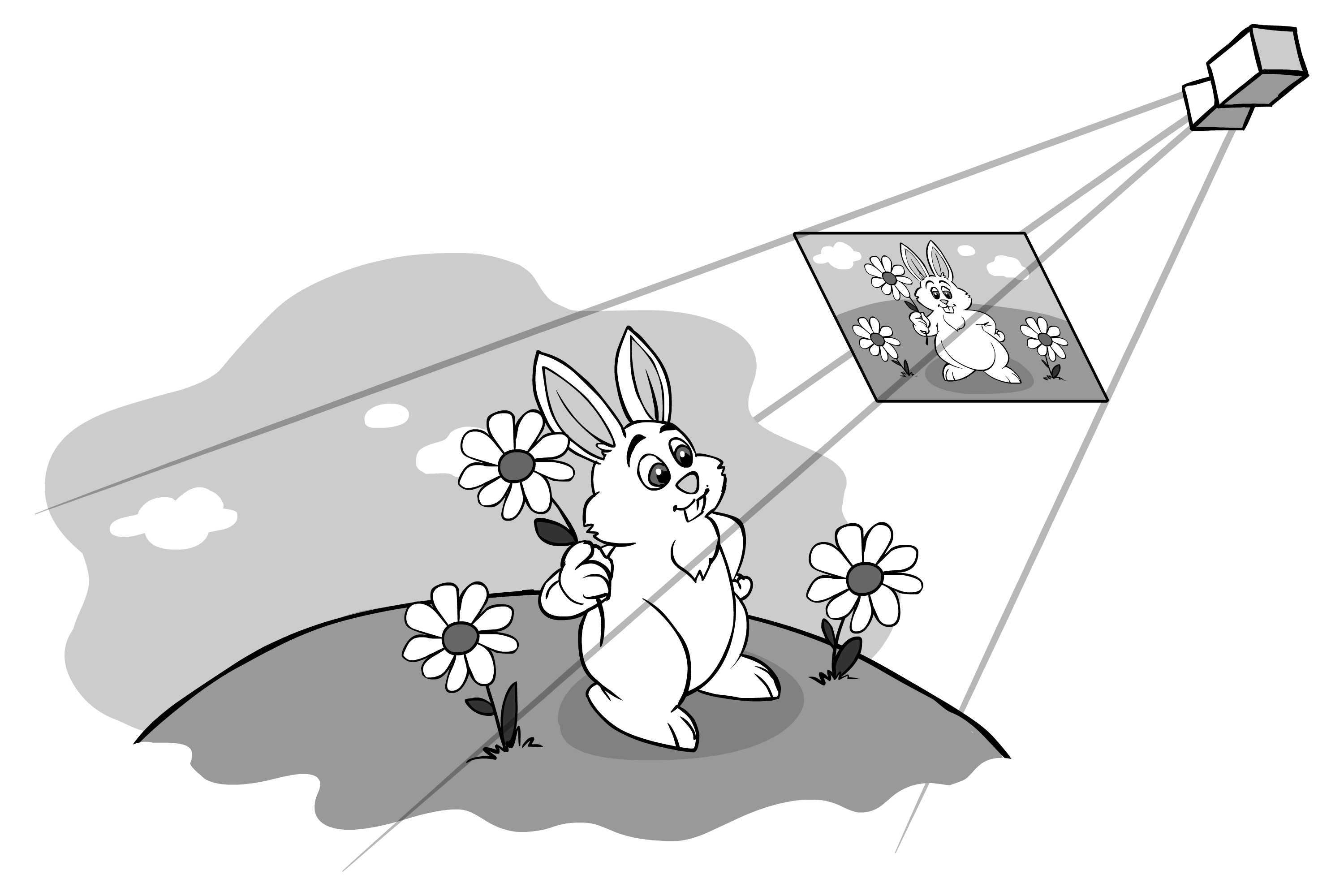
Quote:
In games, more often than not, we’ll be dealing with so-called Phong reflection model.
Another Quote:
with orthographic projection, the lines which project points from our 3D world onto our 2D screen, are no longer converging to one single point; instead, they go parallel to each other.
Filed under: Book: D&D of MOGs1st beta of Vol. IV-VIOn.ProgrammingTips and Tricks
Read more
Six Impossible Things Before Breakfast Ltd. © 2026. All rights reserved.

